Camden BLOG
When brands come back to life: what’s behind the big comeback of mascots?
Date:
June 1st, 2026
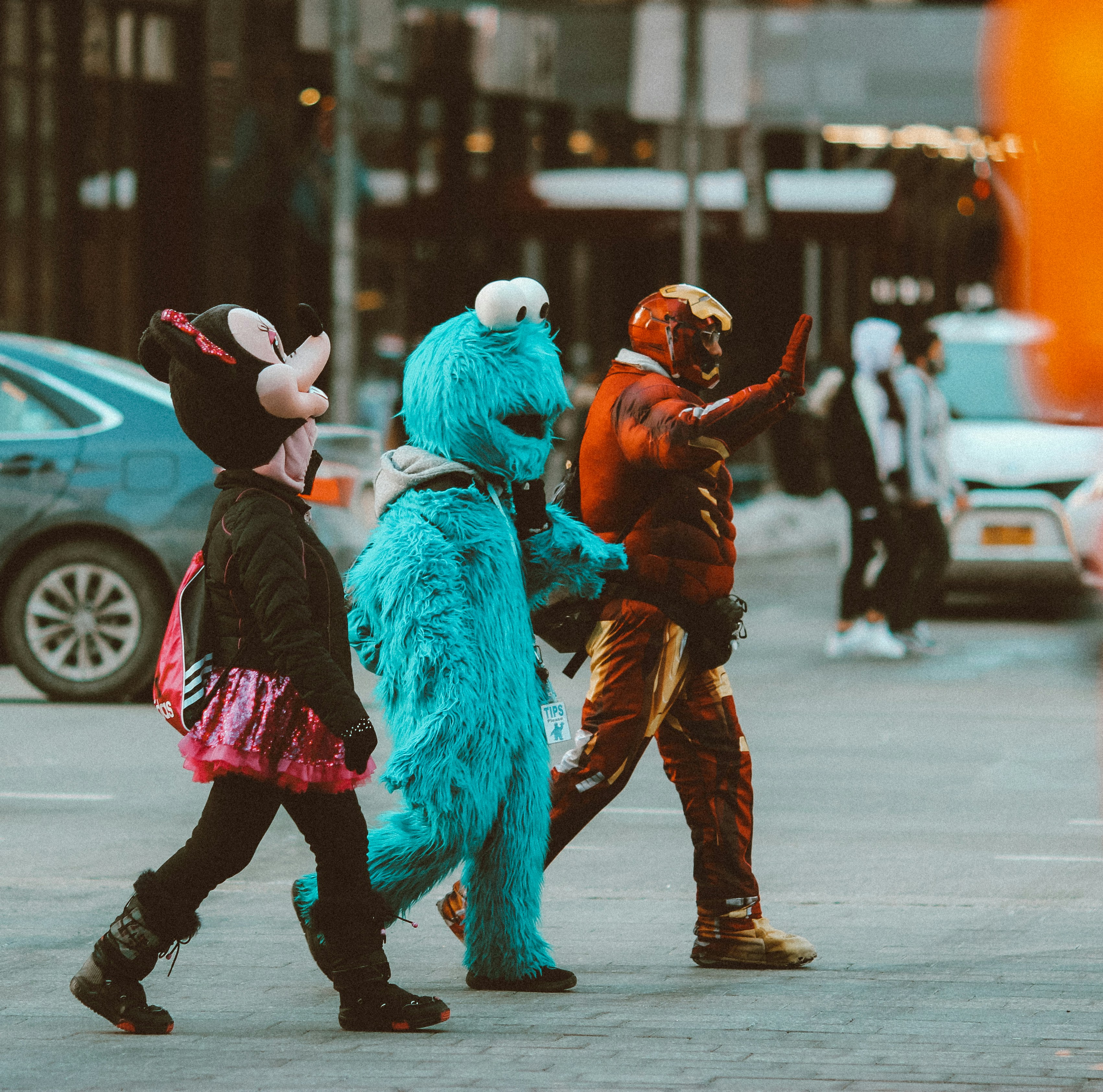
Characters everywhere!
We thought mascots had been buried with the cereal boxes of our childhood. Tony the tiger, Ronald McDonald and Bibendum seemed to have lost the battle to blanding, that trend of brands fading behind minimalist, cold and often interchangeable identities.
Yet they have been making a strong comeback for several years now. If brands like Oasis and Duolingo were among the first to put characters back at the heart of their identity, 2026 definitively confirms this strategic comeback. (We’re not forgetting those who never let go either, like M&M’s or Cetelem)
In a saturated digital world, faced with omnipresent AI and feeds too polished to be true, embodiment is no longer an exception, but a deep-rooted trend.
At Camden, we see it as the radical answer to the need for authenticity and humanization: embodiment makes it possible to reintroduce grit, a presence and, above all, emotional weight. Whether quirky, poetic or purely reassuring, the mascot pulls the brand out of anonymity to create a living connection, where design had sanitized it.
Identity Mascot vs Awareness Icon
First, we need to distinguish between two cases
On one side, the identity mascot, the one that carries the brand’s DNA on its shoulders (Duo from Duolingo or even the little animal from Alan). It is the product, it sets the user experience and the tone. We can also think of human spokespeople, like George Clooney who embodied Nespresso for nearly 20 years and recently passed the torch to Dua Lipa in a duo ad. (Got it?)
On the other, this character that emerges from a campaign, a story, and becomes the brand’s icon. It’s the wolf from Intermarché that reinvents the Christmas tale to give new meaning to our shopping, or the plush monkey from Ikea (nicknamed: Djungelskog) that became a viral surrogate mom on social media. Even Apple, the absolute master of minimalism, sees its “Little Finder Guy” become a cult star, proving that even consumers of the most design-forward brand expect a little warmth and embodiment. No matter the size of the brand, embodiment is not just a communication gimmick. It’s a strategic asset that creates a brand universe and ensures immediate recognition, even without a logo.
The fatal soul of brands
This comeback fits perfectly with our previous breakdown of Nostalgia-Core. Embodiment is a cultural shortcut: it reminds us of the era when brands had a voice, a silhouette, a clumsiness. That’s what McDonald’s understood by reactivating the cult figures of its “McDonaldland” from the 80s: a global hit powered by the return of Grimace, Hamburglar or Birdie. This operation generated billions of views on TikTok and sales growth of more than 11 % over one quarter. Proof that the “retro security blanket” is not just about nostalgia, but also a massive business lever. In a cold digital world, the mascot becomes a “safe place.” It brings imperfection where the algorithm imposes perfection. A true generational bridge, it amazes younger people while acting as a Madeleine de Proust for adults: the brand then becomes an emotional comfort object, a reassuring landmark in an anxious era. It also makes it possible to deliver serious messages in a more playful way and to break the ice where a standard post would be less impactful and ignored.
From cringe to brandformance
Until not long ago, the very idea of a mascot was often considered “cringe” or even old-fashioned. Today, the brand character is not only being reconsidered, it is once again becoming the key to giving the brand story substance: the beating heart of the brand’s storytelling. A character like Duo no longer just appears in the logo: it lives, it scripts the brand’s daily life, it reacts in real time, it even trolls its users… And it even went so far as to stage its own disappearance. A real stroke of genius from the brand, which orchestrated the “death” of its mascot on social media, and which generated a global shockwave. Result? More than 50 million views in 24 hours on TikTok and record engagement that propelled the app to the top of the downloads. It then becomes a full-fledged figure of influence, capable of carrying brand messages that a more “classic” and “institutional” entity could not own without seeming forced.
And it’s not just a matter of fleeting virality: this ability to create a visceral bond rests on an uncompromising statistical reality. According to an Ipsos study, embodying a brand makes it 6 times more memorable than a simple logo. Better yet: according to research by Orlando Wood (System1) presented at Cannes Lions, a brand character is 2.2 times more effective than a celebrity at building a reputation over the long term. Why? Because a human spokesperson can disappoint, can age. Unlike a brand character, which stays true to its DNA. This is the ultimate stage of brand engagement: we are no longer following a product or a company, we are following a personality.
Going back to embodied figures is not about playing the easy nostalgia card. It’s about giving brand storytelling more edge and turning a frozen identity into a living presence. It’s about hacking the future by understanding that, in the face of AI-driven standardization, character, fiction and imagination are safe-haven values.
Let’s face it
Giving your brand a face is relevant and effective, but it’s not always easy. The brand story is the right place to start the thinking. What does your brand want to tell, and how could that story come to life? Is it your product that comes alive? Your consumer that gets embodied? Your mindset that comes through? Or all of the above? The question of embodiment, whether real or fictional, whether it lasts for the duration of a campaign or becomes the identity of your communications for 20 years, is an excellent way to get back to the fundamentals of the brand: its personality and the emotions it generates. To conclude with a quote spotted on LinkedIn this week: “Marketing is asking someone on a date. Brand is the reason they say yes.”