Camden BLOG
Nostalgia - core: why does the future already belong to the past?
Date:
March 16, 2026
Rewind is the new play. Forget the dusty melancholy of grandma, Nostalgia-Core is the intentional glitch in the matrix. It’s the fantasy of Gen Z and Millennials, for a past that they (sometimes) haven’t even experienced, but that they remix infinitely.
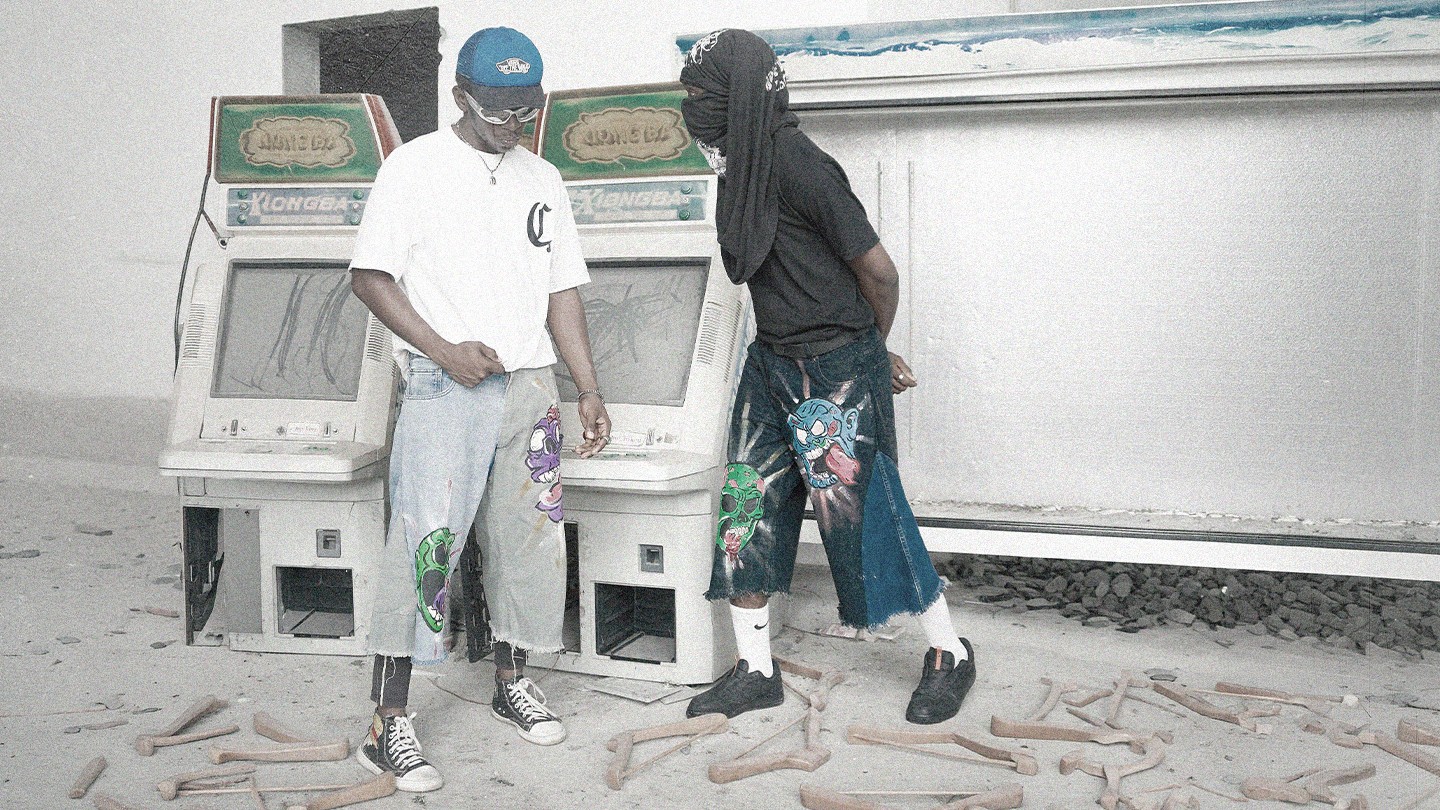
Tumblr era, 90s baggies, the unexpected return of Tecktonik (definitely not…) and above all this wave of 2016-core… Our feeds are overflowing with old flash clichés, lo-fi vintage filters and generally the feeling that "it was better before."
At the beginning of 2026, social media resembles a giant time machine.
Is Nostalgia-core just another trend, ready to be replaced in a few days? Not really. It is rather a deep-seated issue that mutates from generation to generation. It is a quest for meaning and truth expressed through idealized, even truncated, versions of the past. At Camden, we see it as a radical - and fiercely creative - response to the need for authenticity.

2016 vs 2026: bug in the matrix or act of resistance?
Nostalgia-Core is not a simple trend; it is a strong movement stretching from looping TV shows "Stars 80" to concert tours filling up Zéniths, down to Y2K TikToks that are shaking up Gen Z today.
Why this current obsession with 2016? It’s not just for the fun of bringing out the saturated filters. It's an act of resistance.
We live in an ultra-anxiety-filled era: the job market is a boxing ring, access to property has become a myth, and AI is propelling us towards a world where the human's place as a whole is called into question.
The observation is simple: life seemed easier back then. In 2026, we are no longer satisfied with a simple throwback; we want to re-inject grain, noise, and carefreeness. We miss 2016 because it was the golden age of a still spontaneous digital. A “wild” time when we posted for the sake of posting, without the pressure to satisfy an algo or to monetize even our slightest emotions. It was the reign of immediacy before AI and overly smooth algos turned our feeds into meticulously measured showcases.
Re-injecting this disorder into our content is our way of remaining authentic. Behind these retro filters lies a visceral need to return to simplicity. For a brand, understanding this need for "the real" is a matter of survival. Without that little extra soul, it’s just another brand, drowned in a sanitized feed.
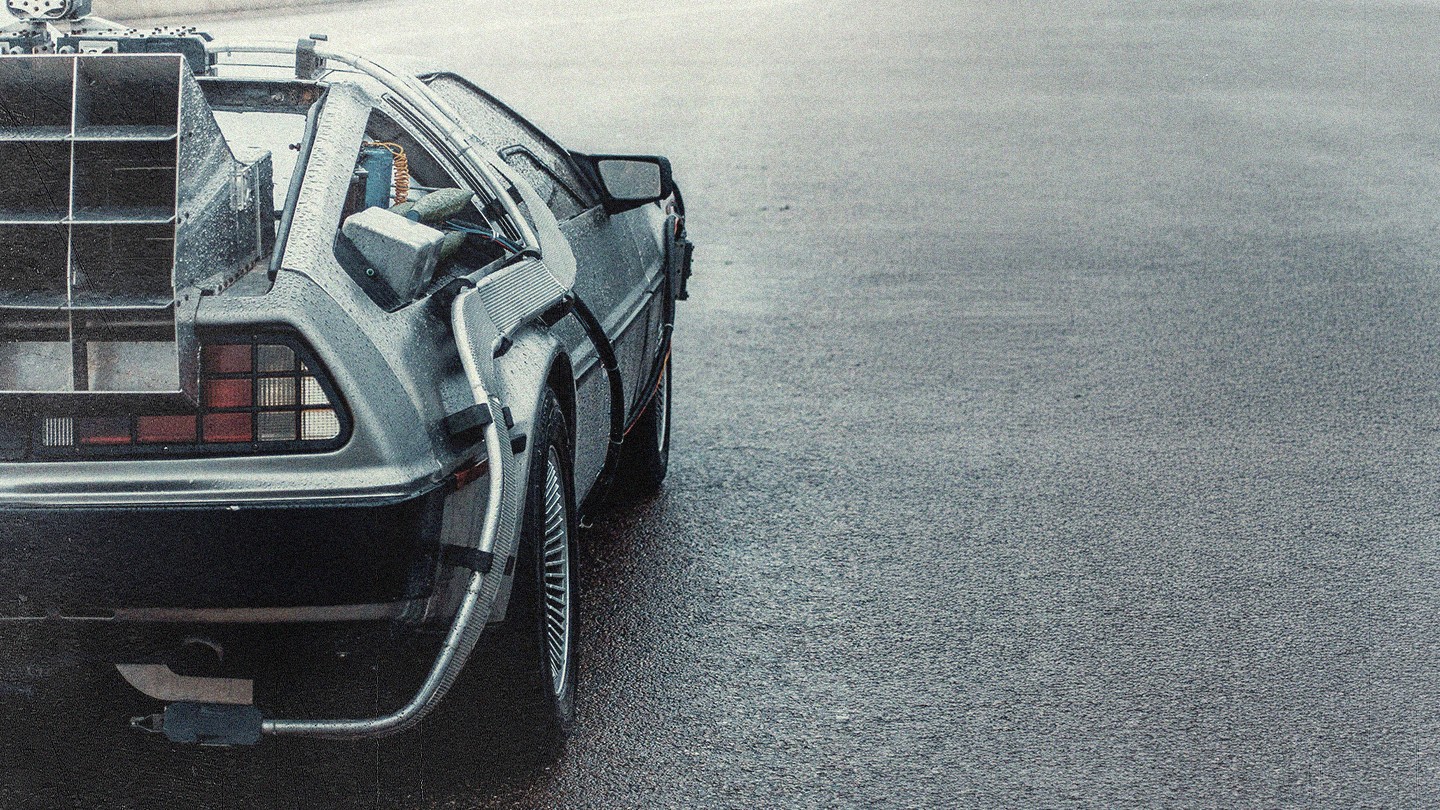
Back to basics: when brands reaffirm their identity.
Beyond style, we are witnessing a real strategy of reaffirmation. For many brands, looking back is an opportunity to remind what makes them unique. Basically: we stop chasing every trend and focus on our own DNA.
When Burger King resurrects its vintage identity and Renault electrifies the R5, the logic is the same: to regain warmth and personality. These brands gain readability in what they lose in unnecessary complexity. Even in luxury, things are moving: Dior, Balenciaga… after years of ultra-minimalist interchangeable logos, we are returning to historical signatures to regain a sense of meaning.
Returning to origins means understanding that a brand's future is also built on what it has already been.
This mix of heritage and vision is our daily grind. By the way, Camden is celebrating its 10th anniversary and we don’t last a decade by staying static, but by knowing how to draw from the past without ever tipping over to the "boomer" side.
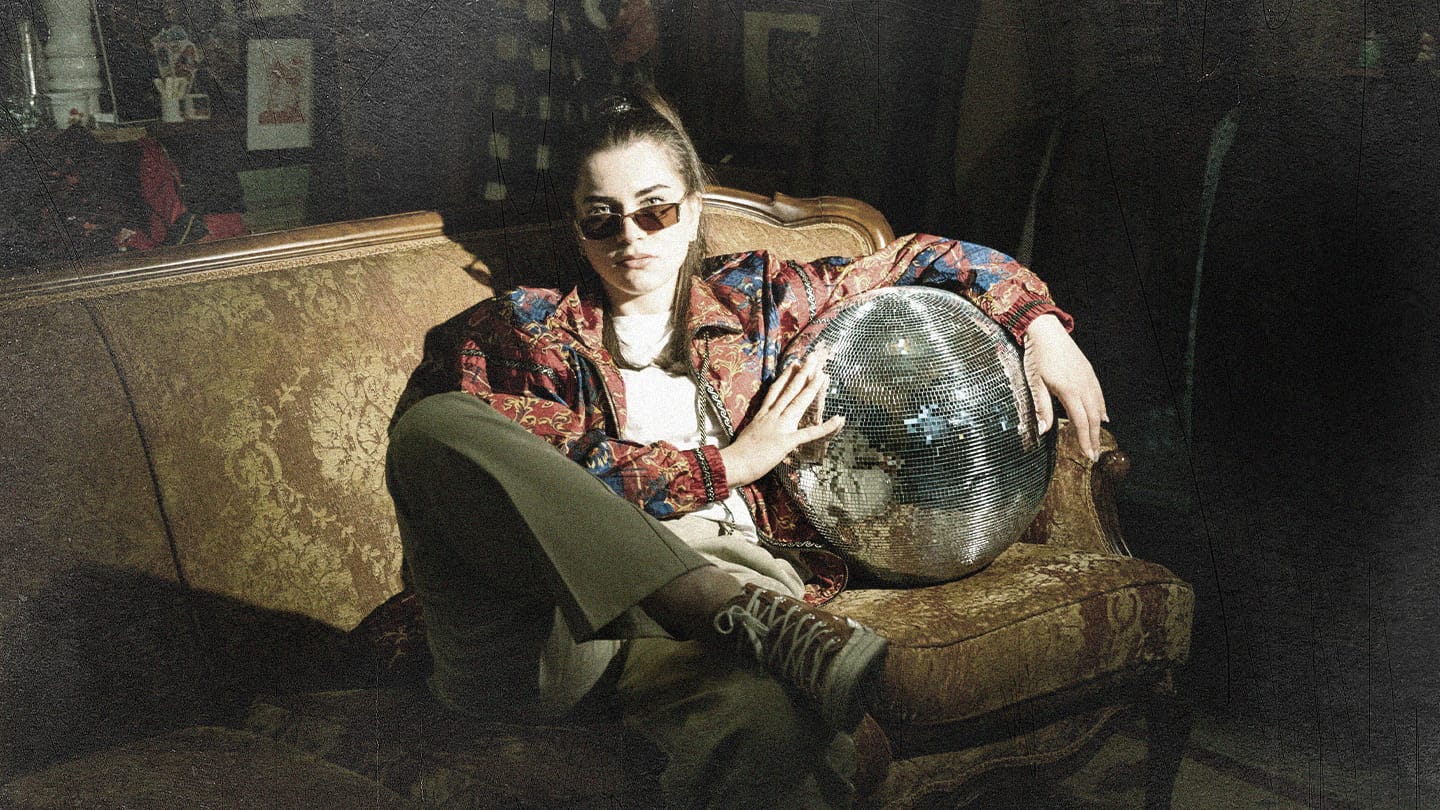
Retro-hacking: turning memory into engagement.
Beyond aesthetics, nostalgia (whether from 2016, Y2K, or the 90s) acts as a lighthouse in a saturated flow. Using these codes is opening a door to a community: we no longer follow a brand for its products or services; we join a tribe that shares the same references. This is what Adidas has perfectly achieved for several generations now: whether by putting Stan Smiths back on Millennials' feet or the Samba and Gazelle on Gen Z's feet, the brand hasn’t just sold sneakers; it has reactivated a sense of belonging to an indie culture that crosses decades. We no longer discover the brand; we recognize it.
For a brand, it’s a powerful lever of Brandformance. By awakening an emotion already stored in the client’s short-term memory - like Airbnb with its iconic homes from pop culture (the house from Home Alone), we establish ourselves as that "old buddy" with whom we share a common narrative. This is the ultimate stage of the “Love Brand”: transforming memory into a concrete experience and immediate engagement.
IN SHORT:
At Camden, we see this curiosity for the past as an act of rebellion against the algos that dictate the norm. Rather than suffer through the flows, it’s about listening to what the audience is telling us: going to unearth forgotten trends with them - like those gems from 2016 - to break from standardization and build unique brands that do not just pass, but remain.
Activating the emotional string of nostalgia for your brand is OK.
It is a powerful lever that creates attachment. It’s injecting comfort through reassuring codes, in a world that moves too fast. You just need to find the right dosage for the past to become your best ally in hacking the future.